In this post you’ll learn …
- How to choose the right sunroom type based on your region's weather conditions.
- Tips on how to plan your room addition and where to place it for optimal sunlight and comfort.
Sunrooms bring natural light and outdoor views into your home, creating a cozy space that keeps out bugs and inclement weather. To get the most out of your sunroom, choose one that suits your local climate, lifestyle, and how you plan to utilize the space throughout the year.
In this blog post, we'll help you understand what to consider when selecting a sunroom for your climate. We will discuss different types of sunrooms, their applications, and the necessary maintenance so you can make an informed and clear decision.
4 Key Considerations When Choosing the Right Sunroom for Your Climate
Understanding Your Climate for the Right Sunroom
The first step in choosing a sunroom is to understand your local climate. Weather conditions, such as strong winds, high humidity, heavy snowfall, and intense sunlight, will determine which type of sunroom is best suited for your home.
Sunrooms for Cold Climates with Snow and Ice
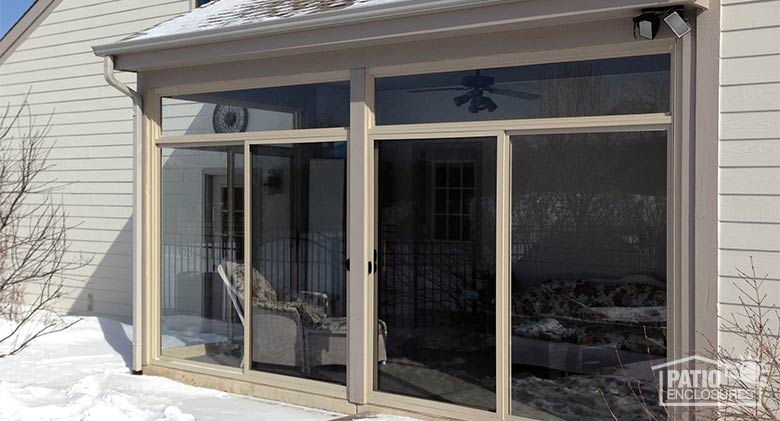
If you live in an area with harsh winters, a four-season room is an excellent choice for your home, allowing you to use the space year-round.
- Insulation is Key: Four-season rooms feature thermally engineered frames and double-pane insulated glass, helping to lower energy costs in winter and summer.
- Structural Strength: In colder climates, a sunroom's roof and structure must withstand heavy snow and ice loads. Choose sunrooms made from strong materials, such as reinforced aluminum, that meet or exceed local building codes for snow loads.
- Glass Options: Consider high-performance tempered glass with low-E coatings for enhanced energy efficiency. This type of glass reflects heat into the room during winter, helping maintain a comfortable temperature.
Sunrooms for Mild and Hot Climates
Keeping a sunroom cool and comfortable is the primary goal of any sunroom in a mild climate or one that receives plenty of heat and sunlight.
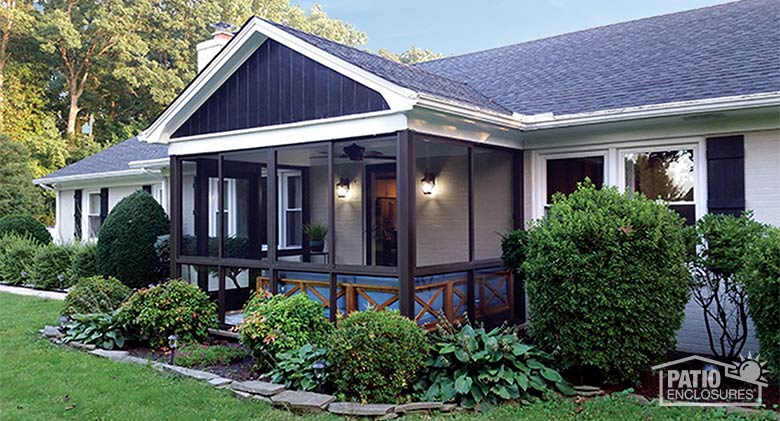
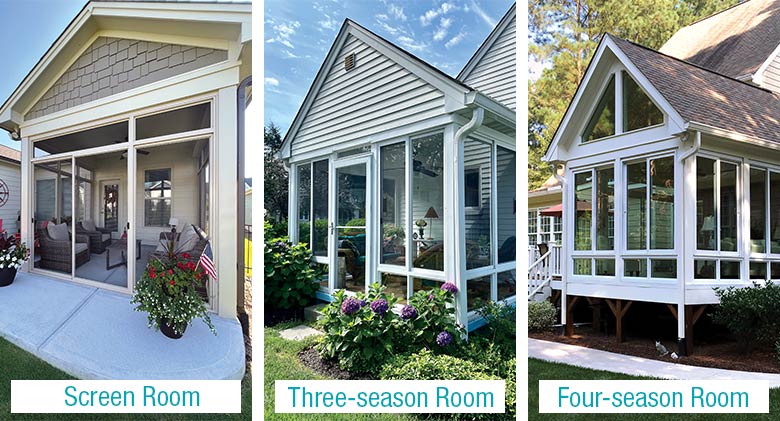
Screen Rooms
A screen room is a great option for enjoying breezes while keeping bugs out. It's a cost-effective way to extend your living space for most of the year in warmer climates.
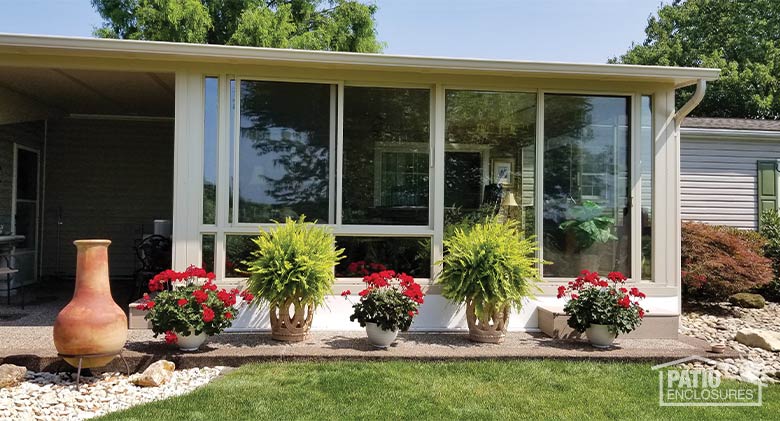
Three-Season Sunrooms:
A These rooms offer more protection than a screen room and can be used during spring, summer, and fall. They are not designed for winter heating, but they provide a comfortable retreat from the summer heat.
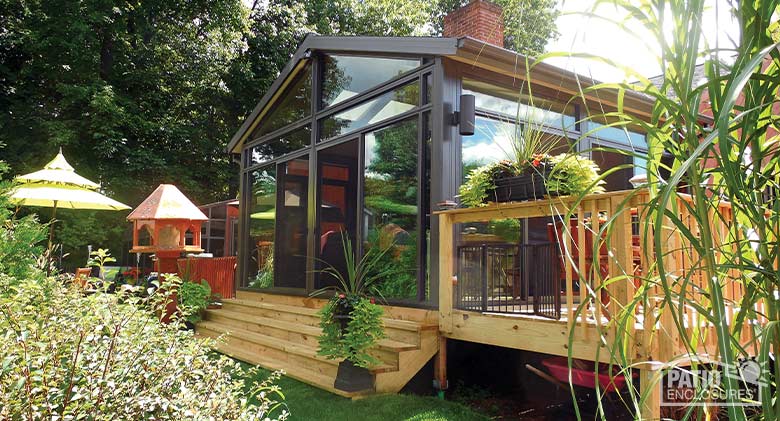
Four Season Rooms
For a four-season or a Florida Room* in a hot climate, choose insulated glass with special tints or coatings that block UV rays and reduce solar heat gain. This keeps your sunroom cooler and protects your furniture from fading.
Coastal or High-Wind Areas
Homes near the coast face unique challenges, including high winds and salty air. Your sunroom or Florida Room* needs to be built to handle these conditions.
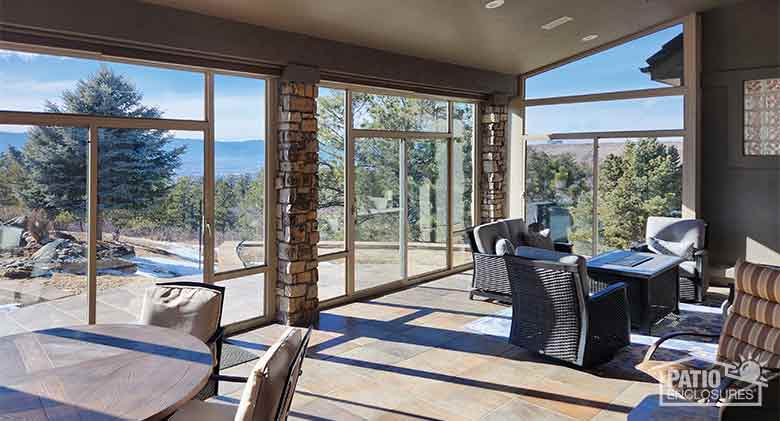
- Durability: Look for sunrooms designed and built to withstand strong winds if you are in a storm-prone area. Tempered glass is a crucial safety feature.
- Corrosion-Resistant Materials: Salt in the air can cause metal to corrode over time. Powder-coated aluminum frames provide excellent resistance to corrosion, ensuring your sunroom remains looking great for years.
How Do You Plan On Using Your Sunroom?
Your vision for the sunroom will heavily influence the type of room you need. Think about how this new space will fit into your daily life.
- Year-Round Living Space: If you want to use the room every day as a family room, office, or dining area, a four-season sunroom is the best option. Its superior insulation allows for efficient heating and cooling, making it a true extension of your home.
- Seasonal Enjoyment: For those who plan to use the space mainly during milder weather, a three-season sunroom is a practical choice. It's perfect for a morning coffee spot, a playroom for kids, or a place to entertain guests from spring through fall.
- An Outdoor Feel: Screen rooms are ideal for enjoying fresh air without being bothered by insects and critters. They can be used for dining, relaxing, and simply soaking up the sounds of nature.
Where Should You Add the Sunroom to Your Home?
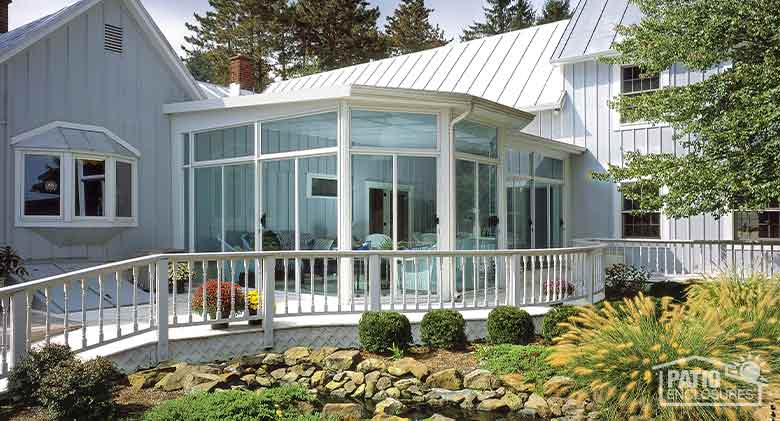
The placement of your sunroom affects its temperature, light exposure, and overall usability.
- North-Facing: A north-facing room receives steady, indirect light throughout the day. This location helps keep the space cool, making it perfect for home offices, reading nooks, or art studios. Without direct sunlight, the room stays cooler in summer but may feel colder in winter.
- South-Facing: A sunroom with a southern exposure will receive the most direct sunlight, especially during the winter months. Passive solar heating can help naturally warm the room. In the summer, you will likely need blinds, shades, or high-performance glass to prevent overheating.
- East-Facing: An eastern placement captures the beautiful morning sun, making it a cheerful spot for breakfast. The room will warm up quickly in the morning but will be cooler and shaded in the afternoon, offering a pleasant retreat from the midday heat.
- West-Facing: This orientation receives strong afternoon sun, which can provide warmth in the late day but may lead to overheating in the summer. It's an excellent spot for watching sunsets, but you'll want to plan for effective cooling and shading to ensure a comfortable experience.
How Should You Heat and Cool a Sunroom?
Maintaining a comfortable sunroom year-round requires a well-planned heating and cooling strategy. The best method depends on the type of sunroom and your climate.
- Extending Your HVAC System: For a four-season room, you can extend your home's existing HVAC ductwork to provide year-round comfort. A professional must determine whether your current system has sufficient capacity to handle the additional space.
- Ductless Mini-Split Systems: This is a popular and efficient way to heat and cool a sunroom, allowing the sunroom to be controlled independently of the rest of the home.
- Portable Units: For three-season rooms or occasional use, a portable space heater or air conditioner can provide the comfort you need without the cost of a permanent installation.
- Radiant Floor Heating: In-floor heating is a luxurious and efficient way to warm a four-season room, providing consistent, comfortable heat from the ground up.
Sunroom Maintenance Considerations by Climate
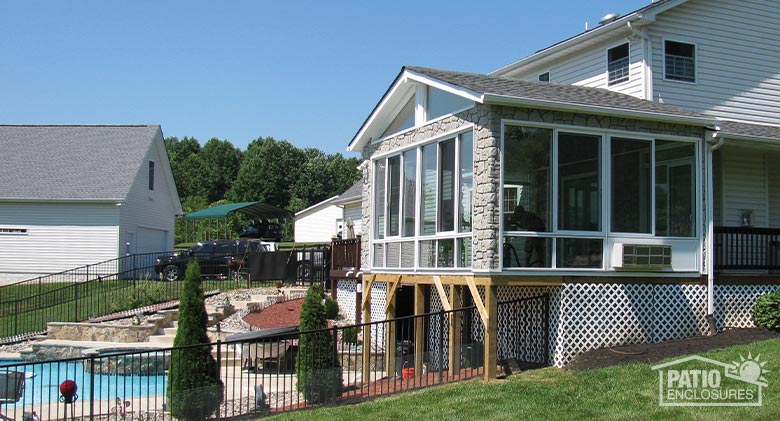
Proper maintenance will keep your sunroom in excellent condition for years to come. Your climate will dictate the specific tasks you need to focus on.
- Cold Climates: Inspect the seals and weatherstripping around windows and doors to make sure they're in good condition before the weather gets cold. During the winter months, we recommend removing accumulated snow from the roof as soon as possible after heavy snowfall to avoid excess weight.
- Hot, Humid Climates: To prevent the growth of mold and mildew, it is recommended that you regularly clean the frame and windows. Additionally, it is best to make sure that the weep holes at the base of the frame are clear to allow for proper drainage of condensation.
- Coastal Climates: The salty air can leave a residue on glass and frames. Rinse your sunroom with fresh water periodically to wash away salt deposits and prevent corrosion.
- Mild and All Climates: A regular cleaning of the windows, tracks, and screens will ensure your sunroom remains a bright and welcoming space.
Create Your Perfect Backyard Oasis
Choosing the perfect sunroom for your home is easy with a bit of thought and research. Patio Enclosures custom manufactures every sunroom to meet your specific needs, style, and budget. Our rooms are designed specifically for your home. Let our design consultants help you find the ideal solution for your lifestyle. Contact us today for a free, in-home estimate!
Learn More About Four Season Room
*Our Florida Rooms are currently only available in Florida. If you live outside of Florida, check out our sunroom types and options.
 You May Also Be Interested In: